

Hello there!
As being a Software Engineer in the Auth space for nearly a decade, I have had the opportunity to work with a wide variety of technologies and systems over the years. One of the most important of these is OAuth2, an open standard for authorization that is widely used across the internet.
OAuth2 is a powerful tool that allows users to grant third-party applications access to their resources, without having to share their login credentials. This is done through the use of “access tokens,” which can be issued by the user’s account provider (such as Google or Facebook) and used by the third-party application to access the user’s resources.
At its core, OAuth2 is all about giving users control over their data. With OAuth2, users can choose which applications they want to share their data with, and can revoke access at any time. This is a major improvement over the traditional system of sharing login credentials, which can be easily compromised and provides no way for users to control access to their data.
My experience at Microsoft and Amazon has been primarily working with OAuth2 to allow users to secure their applications using Azure AD, Cognito, and other identity stores. In addition to that you’ll see a B2C application that would leverage the ability to utilize sso between Google or some other identity store that allows for 3rd party authorization.
But OAuth2 is not just for big companies like Amazon or Microsoft, it’s for any website or app that wants to offer a secure and seamless login experience for their users. It’s also used by companies that want to provide their users with the ability to share their data with other companies, such as their fitness tracker data with their insurance company.
OAuth2 is a flexible standard that supports several different “flows,” or methods for obtaining an access token. Here are a few of the most common OAuth2 flows:
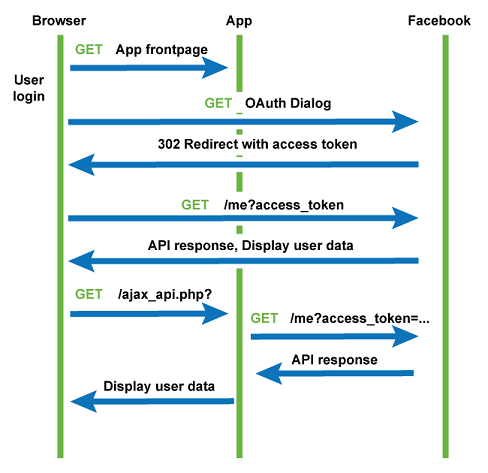
- The “Authorization Code Flow” is the most common flow used by web applications. In this flow, the user is redirected to the authorization server, where they are prompted to grant the client application access to their resources. After the user grants access, the authorization server redirects the user back to the client application with an authorization code. The client application can then use this authorization code to request an access token from the authorization server.
- The “Implicit Flow” is similar to the Authorization Code Flow, but it is intended for use by client applications that are unable to securely store the authorization code. In this flow, the authorization server returns the access token directly to the client application, rather than an authorization code.
- The “Resource Owner Password Credentials Flow” is used when the client application is trusted and the user is able to provide their username and password to the application.
- The “Client Credentials Flow” is used when the client application needs to access its own resources, without a user’s interaction.
- Another flow is the “Device flow” which is similar to the Authorization Code Flow but intended for limited input device scenarios.
- The “Refresh Token Flow” is used to refresh an expired access token.
It’s important to note that different flows are more or less suitable for different use cases, and it’s important to choose the right flow based on the requirements of the application and the user experience.
In summary, OAuth2 is a powerful and flexible standard that allows users to share their resources with third-party applications, while maintaining control over their data.
Thank you for taking the time to learn about OAuth2, I hope this information is valuable for you and your business.